Source Oil and Vinegar Dispenser for Kitchen, Catering, and Retail
Find 30 oil and vinegar dispenser options from verified Chinese manufacturers. Compare features like PP plastic and glass materials, capacities ranging from 360ml to 500ml, and modern designs for institutional and commercial buyers; compare the available evidence and request quotations based on your requirements.
Key considerations
Products List
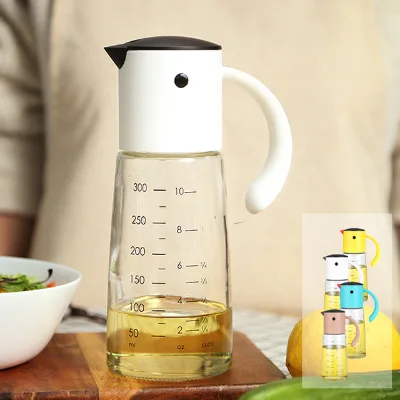

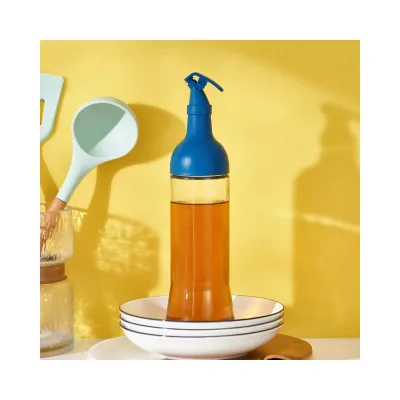
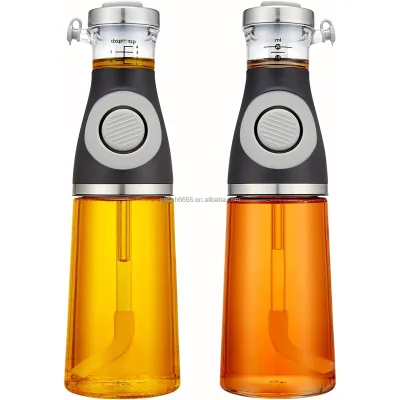
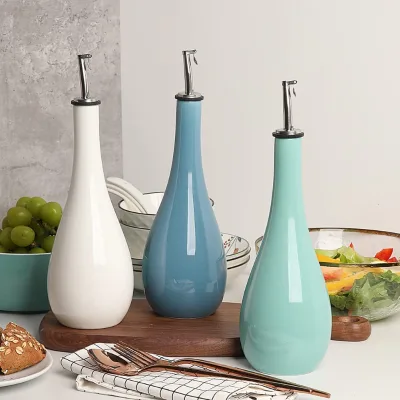
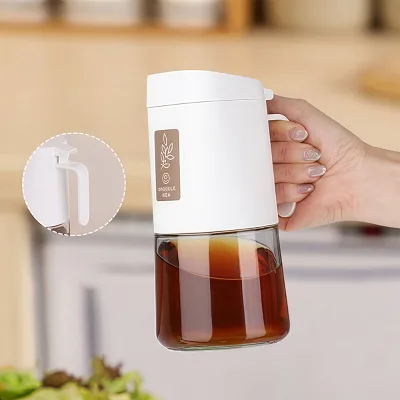
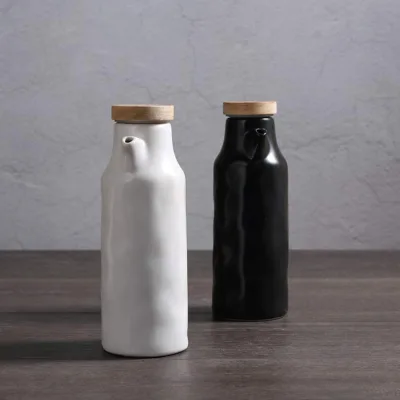
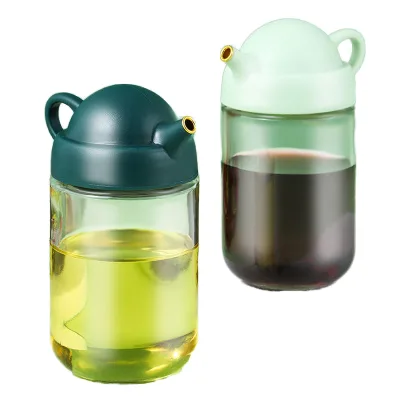
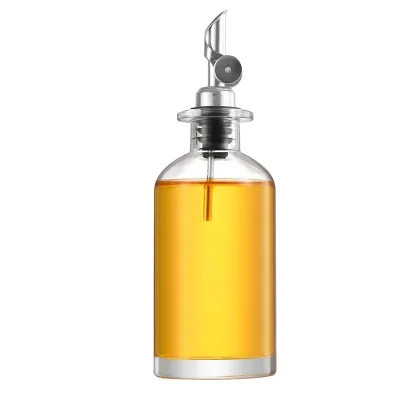






Comprehensive Sourcing Guide
Oil and Vinegar Dispenser Sourcing Guide
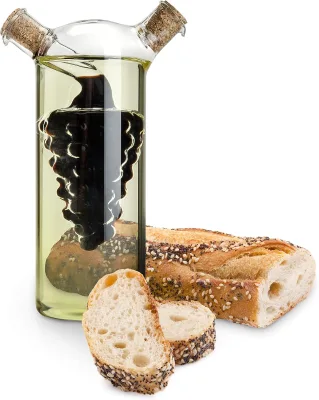
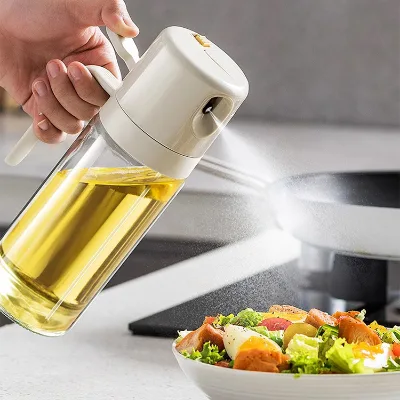
Sourcing oil and vinegar dispensers requires a clear understanding of the diverse product landscape available from manufacturers, particularly those concentrated in regions like Zhejiang, China. Buyers often encounter a wide array of designs, ranging from modern, minimalist styles to more traditional glass vessels, each serving specific aesthetic and functional needs in both residential and institutional settings. The market offers solutions for various capacities, typically spanning from 360ml to 500ml, allowing procurement teams to select units that fit their specific storage and serving requirements.
It is crucial to distinguish between different material compositions, as this directly impacts durability, weight, and suitability for specific environments. Common materials include PP plastic, glass bottles, and stainless steel components, each offering unique benefits such as corrosion resistance or portability. Understanding these material distinctions helps buyers align their procurement strategy with the intended use case, whether for high-volume institutional catering or specialized culinary applications, ensuring that the selected dispensers meet both performance and aesthetic expectations.
Product Scope and Observed Listing Signals
The current market listings reveal a variety of product attributes that signal different value propositions for buyers. For instance, some products are marketed with features like being eco-friendly and stocked, which can simplify logistics for buyers seeking immediate availability. Brands such as Chinagama, Funmaxx, and Qucheng appear in the data, indicating a competitive field where brand recognition may play a role in buyer decision-making. These signals help buyers quickly filter options based on preferred suppliers or specific product characteristics that align with their brand identity.
Observations also highlight specific design elements, such as the "Gravity Oil & Vinegar Dispenser" model 1060114, which suggests a focus on user-friendly pouring mechanisms. Additionally, features like "No peculiar smell" and "corrosion resistance" in food containers are critical for maintaining product integrity and user satisfaction. Buyers should pay attention to these specific claims, as they often differentiate standard products from those designed for higher-end or more demanding culinary environments, ensuring that the chosen dispensers will perform reliably over time.
Technical Specifications to Verify
When evaluating technical specifications, buyers must closely examine dimensions and packaging details to ensure compatibility with their storage and distribution systems. For example, single package sizes vary significantly, with some items measuring 12x12x21 cm while others are more compact at 7.7x7.7x28 cm. These variations impact shipping costs and warehouse space utilization, making it essential to verify the exact dimensions of each product variant before placing large orders. Additionally, model numbers like YN-1509 and YN-1508 serve as unique identifiers that help in tracking specific product iterations and ensuring consistency in future purchases.
Weight and capacity are also critical technical factors that influence both handling and usage. Products may have a single gross weight of 0.550 kg or 0.4 kg, with capacities ranging from 360ml to 500ml. Buyers should verify these specifications against their operational needs, particularly for institutional buyers who may require standardized sizes for efficient inventory management. Furthermore, dimensional tolerances of less than ±1mm and weight tolerances of less than ±1% indicate a level of manufacturing precision that can affect the fit and function of dispenser components, so these metrics should be confirmed with suppliers.
Compliance and Safety Documentation
Ensuring that oil and vinegar dispensers meet food safety standards is paramount for any procurement process. Buyers should request documentation that confirms the materials used, such as soda-lime glass or PP plastic, are food-grade and free from harmful substances. Features like "Freshness Preservation" and "corrosion resistance" suggest that the products are designed to maintain the quality of the contents, but buyers must verify that these claims are backed by appropriate safety certifications. This is particularly important for institutional buyers who are subject to strict health and safety regulations.
Additionally, buyers should inquire about the manufacturing processes and quality control measures implemented by suppliers. While specific certifications like FSC are mentioned in background data, their applicability to glass or plastic dispensers should be clarified. Buyers need to ensure that the suppliers adhere to relevant industry standards for food contact materials, which may vary by region. Requesting test reports or compliance certificates from the supplier can provide assurance that the products are safe for use and meet the necessary regulatory requirements for the target market.
Cost Drivers and Commercial Terms
Several factors influence the cost of oil and vinegar dispensers, including material quality, design complexity, and order volume. Products made from high-quality glass and stainless steel may command higher prices than those made primarily from PP plastic. Additionally, features like multifunctional designs or specific styles, such as modern or minimalist aesthetics, can add to the manufacturing cost. Buyers should consider these factors when evaluating quotes, ensuring that they are comparing similar product specifications to get an accurate sense of market pricing.
Minimum Order Quantities (MOQs) are another significant commercial term that affects procurement strategy. Listings show MOQs ranging from 500 to 1000 pieces, which can impact cash flow and inventory management for smaller buyers. Buyers should negotiate terms that align with their sales forecasts and storage capabilities. Understanding the packing configurations, such as 12pcs or 24pcs per carton, is also essential for calculating total costs and logistics requirements. Clear communication about these terms can help avoid unexpected expenses and ensure a smooth procurement process.
Supplier Qualification and Quality Control
Evaluating supplier qualifications is a critical step in mitigating procurement risks. Buyers should verify the supplier's place of origin, such as Zhejiang, China, and assess their production capabilities and history. Suppliers with a track record of producing high-quality glass and plastic products are more likely to deliver consistent results. It is also important to check for any relevant business licenses and manufacturing certifications that demonstrate the supplier's commitment to quality and compliance. This due diligence helps build a reliable supply chain and reduces the risk of receiving substandard products.
Quality control measures should be clearly defined and agreed upon before placing orders. Buyers should inquire about the supplier's inspection processes, including pre-production samples and final random inspections. Specifications like "Factory production" and specific packing methods, such as color box packaging, should be verified to ensure they meet the buyer's standards. Establishing clear quality benchmarks and communication channels with the supplier can help address any issues promptly and maintain the integrity of the procurement process.
Long-Term Procurement Checks
Building a long-term relationship with suppliers requires ongoing monitoring and evaluation of product performance and supplier reliability. Buyers should regularly review feedback from end-users to identify any issues with durability, functionality, or aesthetics. This feedback loop can help in making informed decisions about future orders and potential product improvements. Additionally, staying updated on market trends and new product innovations can help buyers remain competitive and meet evolving customer demands.
Regular audits and performance reviews of suppliers are essential for maintaining high standards. Buyers should assess suppliers based on their ability to meet delivery schedules, maintain consistent quality, and respond to inquiries effectively. Establishing key performance indicators (KPIs) for supplier performance can help in objectively evaluating their contributions to the procurement process. By focusing on long-term partnerships and continuous improvement, buyers can ensure a stable and efficient supply of oil and vinegar dispensers.
FAQs
What materials are used in these dispensers?
The dispensers are constructed from PP plastic, glass bottles, and stainless steel components. This combination ensures durability and safety for food contact. The glass bottle provides a clear view of the oil or vinegar level, while the plastic and steel parts offer structural integrity and resistance to corrosion for long-term kitchen use.
What is the capacity of the oil and vinegar dispenser?
The product features a capacity of 360ml to 500ml, suitable for individual or small household use. This volume allows for convenient storage and easy handling during daily meal preparation. The specific capacity ensures that the dispenser remains balanced and portable, making it ideal for kitchen countertops or dining tables without taking up excessive space.
Can I buy these dispensers in bulk for my business?
Yes, bulk purchasing is available with a minimum order quantity of 500 pieces. This MOQ supports institutional buyers and B226B solutions looking for consistent supply. The packaging is designed for efficient shipping, with options like 12 pieces per carton, ensuring that large orders are handled securely and delivered in optimal condition to your facility.
What is the origin of these oil and vinegar dispensers?
These dispensers originate from Zhejiang, China, a region known for its manufacturing capabilities. The products are produced in factories that adhere to specific production techniques to ensure quality. Sourcing from this location allows buyers to access competitive pricing and reliable supply chains for high-volume orders of kitchenware and food storage solutions.
What features make this dispenser eco-friendly and portable?
The dispenser is designed to be eco-friendly and portable, featuring a modern style that fits contemporary kitchens. The materials used, such as PP plastic and glass, are selected for their sustainability and safety. Its compact single package size of 12x12x21 cm ensures easy transport and storage, making it a practical choice for both home and commercial use.